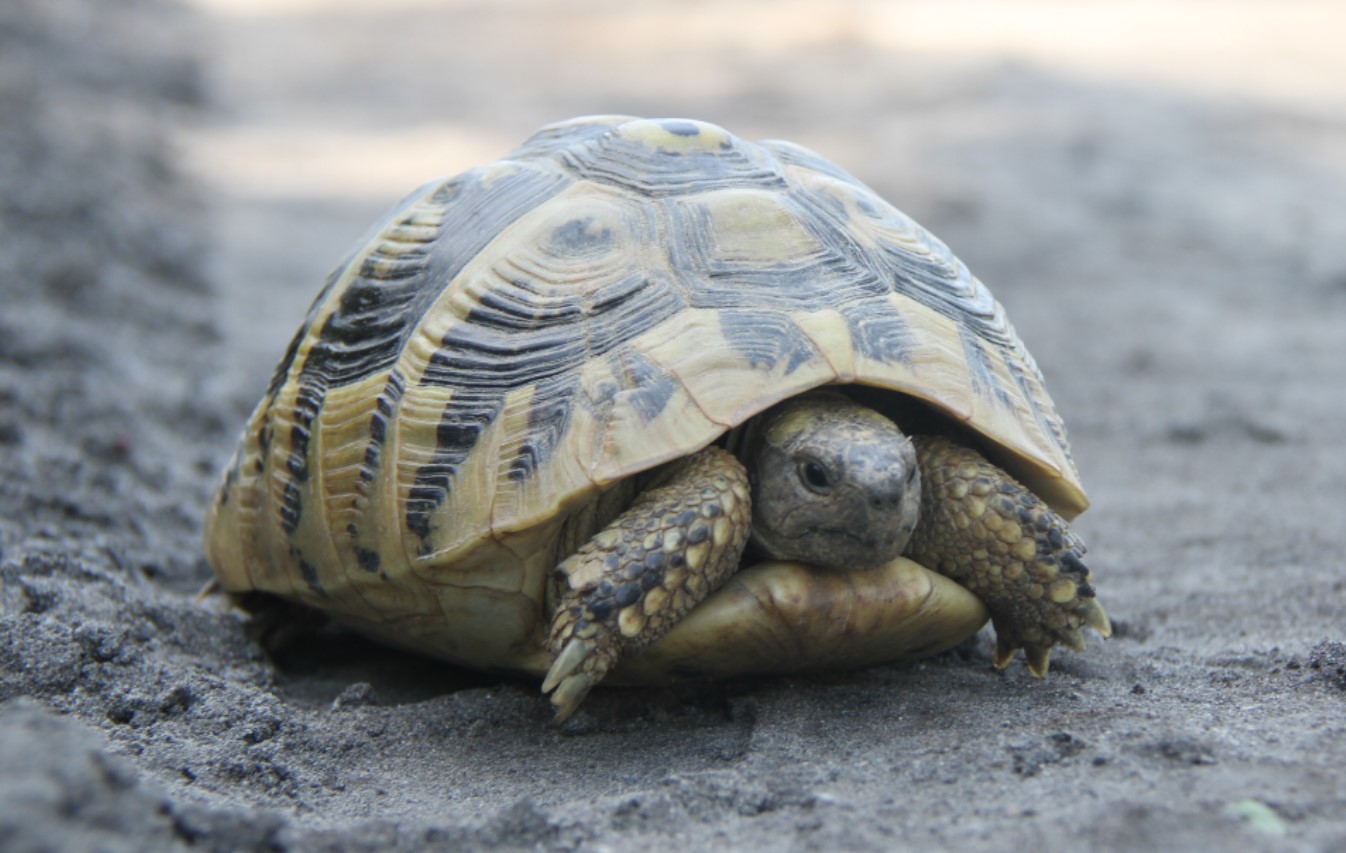
Tortoises are among the most fascinating animals on Earth. Known for their protective shells, calm movements, and impressive longevity, these land-dwelling reptiles have survived for millions of years. Although they may appear simple at first glance, tortoises have unique biological features and behaviors that make them remarkable members of the animal kingdom.
From the way their shells grow to their ability to survive in challenging environments, there is much more to tortoises than meets the eye.
1. Tortoises Have Lived on Earth for Millions of Years
Tortoises belong to the reptile group and are part of the broader turtle family. Their evolutionary history stretches back millions of years, and their ancestors developed specialized features that helped them adapt to different habitats.
Today, tortoises live in various parts of the world, including Africa, Asia, Europe, and the Americas. Different species have adapted to environments ranging from dry grasslands to tropical forests.
Their long evolutionary history makes tortoises an interesting example of how animals adapt and survive over time.
2. A Tortoise Cannot Leave Its Shell
One of the most common misconceptions about tortoises is that their shells are separate structures that they can crawl out of.
In reality, a tortoise’s shell is a living part of its body. It is connected to the animal’s skeleton and includes modified bones covered by a protective outer layer. The shell protects important organs and provides structural support.
A tortoise cannot simply leave its shell behind. Damaging the shell can cause serious injuries and may require veterinary treatment.
3. Some Tortoises Can Live for More Than 100 Years
Tortoises are famous for their longevity, although their lifespans vary considerably between species.
Some smaller species may live for several decades, while certain giant tortoises can survive for well over a century. Famous giant tortoises have become known around the world for their exceptionally long lives.
Scientists believe that several factors contribute to tortoise longevity, including their relatively slow metabolism, genetics, and adaptations to their environments. However, a slow metabolism alone does not explain why some tortoises live so long.
Proper nutrition, suitable temperatures, veterinary care, and a safe habitat are also important for tortoises kept in captivity.
4. Tortoises Are Usually Slow, but They Are Well Adapted to Survive
The tortoise’s slow walking pace is one of its most recognizable characteristics. Its heavy shell and sturdy body are designed for protection and movement on land rather than speed.
However, moving slowly does not mean that a tortoise is poorly adapted to its environment.
Many tortoises conserve energy and spend considerable time resting, feeding, or warming themselves in the sun. Their activity levels often depend on temperature, food availability, and the conditions of their habitat.
When threatened, many tortoises withdraw their heads and limbs into their shells, using this natural defense to protect vulnerable parts of their bodies.
5. What Do Tortoises Eat?
Most tortoises eat a plant-based diet, but their exact nutritional needs depend on the species.
Many land tortoises feed on grasses, leaves, flowers, and other vegetation. Some species are particularly adapted to grazing, while others consume a wider variety of plants.
A balanced diet is essential for healthy growth, shell development, and normal body functions.
People who keep tortoises as pets should identify the species before choosing its food. A diet suitable for one tortoise may not be appropriate for another. Feeding only lettuce or relying heavily on fruit can also lead to nutritional problems in some species.
Fresh water, suitable calcium intake, and species-appropriate food are important parts of responsible tortoise care.
6. A Tortoise’s Shell Can Reveal Important Information About Its Health
A healthy shell is an important part of a tortoise’s overall well-being.
Depending on the species, the shell may have different colors, patterns, and shapes. These features can help the animal blend into its surroundings or reflect adaptations to its habitat.
The shell grows as the tortoise develops, and its condition can be affected by nutrition, disease, injuries, and environmental conditions.
A shell that becomes unusually soft, damaged, or deformed may indicate a health problem. Owners should seek advice from a veterinarian experienced with reptiles if they notice these changes.
It is also important to remember that shell appearance alone cannot reliably determine a tortoise’s age or overall health.
7. Tortoises Use the Sun to Regulate Their Body Temperature
Unlike mammals, tortoises do not maintain a constant internal body temperature in the same way. As reptiles, they rely heavily on external heat sources to regulate their temperature.
Sunlight helps many tortoises warm up, become active, and carry out normal bodily functions.
However, excessive heat can be dangerous. Tortoises need access to suitable temperatures and, where appropriate, shaded areas or cooler parts of their habitat.
For pet tortoises, the correct temperature range, lighting, and access to ultraviolet B (UVB) light depend on the species and its living conditions.
Providing the right environment is just as important as providing the right food.
8. Tortoises Communicate in Subtle Ways
Tortoises are not known for complex vocal communication like many birds or mammals, but they can still interact with their surroundings and with other tortoises.
Depending on the species and situation, they may use body movements, physical contact, scent cues, and other signals.
During courtship or territorial encounters, some tortoises display recognizable behaviors such as head movements, pushing, or circling.
These interactions can look unusual to people who are unfamiliar with reptiles, but they are part of the animals’ natural behavior.
9. Not Every Tortoise Hibernates
Many people assume that all tortoises hibernate during winter. In fact, this depends on the species and its natural environment.
Some temperate-climate tortoises undergo a period of reduced activity known as brumation when conditions become cold. Other species come from warmer regions and should not be subjected to the same seasonal conditions.
Incorrectly managing a tortoise’s winter rest can be dangerous, particularly for sick, underweight, or improperly prepared animals.
Anyone caring for a tortoise should learn about the natural seasonal requirements of its particular species rather than assuming that all tortoises need the same treatment.
10. Tortoises Need Protection in the Wild
Despite their protective shells, tortoises face several threats in the modern world.
Habitat destruction, road traffic, illegal wildlife trade, pollution, and the introduction of non-native species can affect wild tortoise populations. Some species are particularly vulnerable because they have limited geographic ranges or reproduce slowly.
Conservation efforts include protecting natural habitats, enforcing wildlife laws, supporting responsible breeding programs, and educating the public about the risks of removing wild animals from their environments.
If you find a wild tortoise, it is generally best to leave it undisturbed unless it is in immediate danger. Moving it to another location can separate it from its habitat and expose it to additional risks. If it is injured or in danger, contact a qualified wildlife rescue organization or local wildlife authority.
Can a Tortoise Be a Good Pet?
Tortoises can be fascinating animals to observe, but they are not necessarily easy pets.
Their needs vary by species, and responsible care may require specialized lighting, temperature control, appropriate food, outdoor space, and access to reptile veterinary services.
Some tortoises also live for several decades, making ownership a long-term commitment that should not be taken lightly.
Before obtaining a tortoise, prospective owners should research its adult size, habitat requirements, diet, expected lifespan, and legal protection status. Wild tortoises should never be collected or purchased from questionable sources.
Final Thoughts
Tortoises are much more than slow-moving reptiles with protective shells. Their evolutionary history, specialized anatomy, diverse diets, and remarkable longevity make them extraordinary animals.
Understanding their needs also helps people appreciate why protecting their natural habitats is so important.
Whether encountered in the wild or observed in a responsibly maintained habitat, tortoises remind us that even the quietest animals can have fascinating lives and complex biological adaptations.