What Is Passion Flower?
Passion flower is one of the most fascinating flowering plants in the world. Known for its unusual appearance, colorful petals, and intricate structure, this plant has attracted the attention of gardeners, nature enthusiasts, and herbal tradition practitioners for centuries.
Scientifically known as Passiflora, passion flower belongs to a large family of climbing plants that includes hundreds of species. Some varieties are grown mainly for their ornamental beauty, while others produce passion fruit, a popular tropical fruit with a distinctive aroma and sweet-tart flavor.
Although passion flower is often associated with tropical gardens, certain species can also grow successfully in temperate climates when provided with suitable conditions.
Why Is Passion Flower So Special?
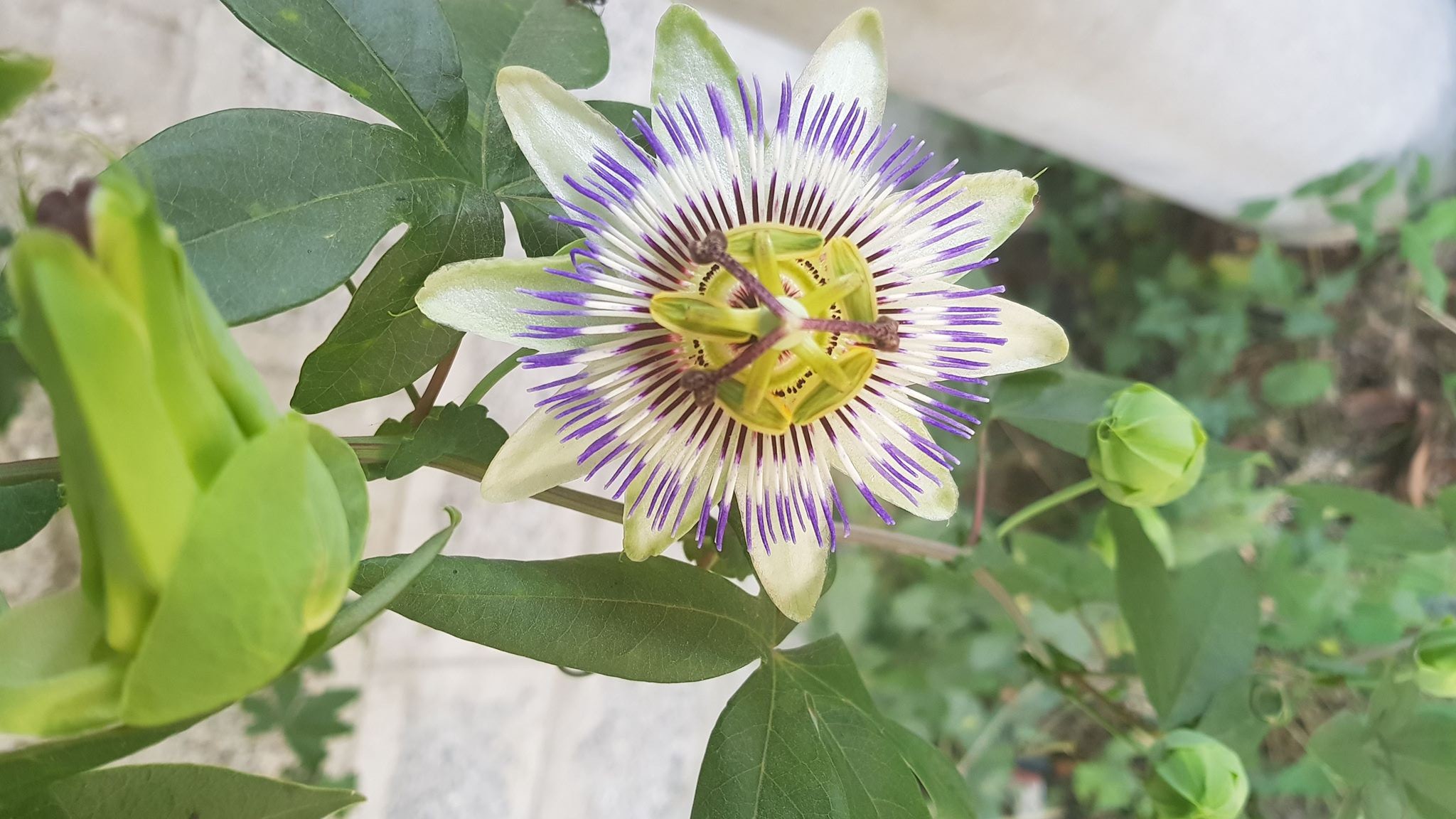
Unlike many familiar garden flowers, passion flower has a complex structure that makes it immediately recognizable. Its petals and sepals surround a crown of delicate, thread-like structures, creating a striking, almost exotic appearance.
The flower’s unusual design has inspired stories, cultural traditions, and botanical interest throughout history. Depending on the species, its flowers may appear in shades of white, purple, blue, pink, or combinations of these colors.
Passion flower is also a climbing plant. It uses tendrils to attach itself to nearby supports, making it an attractive option for fences, pergolas, trellises, and garden walls.
Potential Benefits and Traditional Uses of Passion Flower
Passion flower has a long history of use in traditional herbal practices. Certain species, particularly Passiflora incarnata, are commonly discussed in connection with relaxation and sleep.
1. Traditionally Used for Relaxation
Passion flower has traditionally been used in herbal preparations intended to promote relaxation. Some modern research has explored whether particular preparations may help with feelings of nervousness or anxiety.
However, the available scientific evidence remains limited, and results cannot be generalized to every passion flower species or product. The plant should not be considered a proven treatment for anxiety disorders.
2. Interest in Sleep Support
Another traditional use of passion flower involves supporting restful sleep. Researchers have investigated its possible effects on sleep quality, but the evidence is not strong enough to establish it as a reliable treatment for insomnia.
People experiencing persistent sleep difficulties should discuss the problem with a qualified healthcare professional rather than relying solely on herbal products.
3. Contains Naturally Occurring Plant Compounds
Like many plants, passion flower contains naturally occurring compounds that researchers study for their biological properties. The composition varies according to the species, the part of the plant used, and the preparation method.
The presence of these compounds does not automatically mean that a product will provide a particular health benefit.
Important: Passion flower supplements and herbal preparations may cause side effects or interact with medicines, particularly those that cause drowsiness. They should not be used during pregnancy without medical advice. Anyone considering a passion flower supplement should consult a healthcare professional first.
How to Grow Passion Flower at Home
Passion flower can be a rewarding addition to a home garden. With the right environment and basic care, many varieties grow vigorously and produce impressive flowers.
Choose a Suitable Location
Most commonly cultivated passion flowers prefer a bright location with plenty of sunlight. In very hot climates, some protection from intense afternoon sun may help prevent stress.
A sunny balcony, garden wall, or outdoor trellis can provide a suitable growing space, depending on the species and local climate.
Use Well-Drained Soil
Passion flower generally grows best in fertile soil that retains some moisture without becoming waterlogged. Good drainage is important because persistently wet roots can encourage root problems.
If growing the plant in a container, choose a pot with drainage holes and use a suitable, well-draining potting mix.
Water Regularly
Watering needs depend on the climate, the season, and whether the plant is growing in the ground or in a pot. During active growth, the soil should generally remain lightly moist, but excess water should be allowed to drain away.
Container-grown plants may need more frequent watering during warm weather.
Provide Climbing Support
Because passion flower is a climbing plant, it benefits from a trellis, fence, or another sturdy support. Its tendrils help it attach to nearby structures as new growth develops.
Regular pruning can help manage its size and shape. Some species grow rapidly, so checking the plant occasionally will prevent it from spreading into unwanted areas.
Protect It From Cold Weather
Cold tolerance differs considerably between passion flower species. Some tolerate mild frost, while others require protection during colder months.
Before planting outdoors, check the needs of the particular variety you have chosen. In colder regions, growing passion flower in a container can make it easier to move the plant to a sheltered location.
Can Passion Flower Produce Fruit?
Some passion flower species produce edible passion fruit, while others are grown primarily for their flowers. The familiar purple or yellow passion fruit comes from particular cultivated species of Passiflora.
When growing a fruit-producing variety, successful fruit development may depend on pollination, climate, sunlight, and the plant’s growing conditions. Some varieties benefit from pollinators or hand pollination.
It is important to identify the species correctly before consuming any fruit. Not every ornamental passion flower should be assumed to produce edible fruit.
Interesting Facts About Passion Flower
Passion flower has several characteristics that make it especially interesting to gardeners and nature lovers.
- Hundreds of species: The genus Passiflora includes a remarkable diversity of climbing plants.
- Distinctive flowers: Its complex floral structure makes it one of the most recognizable ornamental plants.
- A plant with tendrils: These specialized structures help the vine climb and reach better-lit areas.
- A connection to butterflies: Some passion flower species serve as host plants for caterpillars of certain butterfly species.
- Flowers and fruit: Depending on the species, a passion flower vine may be grown for decoration, edible fruit, or both.
Is Passion Flower Easy to Grow?
For many gardeners, passion flower is relatively easy to cultivate once its basic needs are met. Adequate light, appropriate watering, well-drained soil, and climbing support are the main considerations.
The most important step is choosing a variety suited to the local climate. A species that thrives in a warm Mediterranean garden may need winter protection in an area with severe frost.
New gardeners can start with a container-grown plant, making it easier to control its growth and adjust its position according to seasonal conditions.
Final Thoughts
Passion flower combines unusual beauty, vigorous climbing growth, and a long history of traditional use. Whether grown along a garden fence or cultivated in a pot on a sunny balcony, it can bring a distinctive tropical appearance to outdoor spaces.
Although certain passion flower species have attracted scientific interest for their possible relaxation and sleep-related effects, more research is needed to establish their effectiveness. Understanding the difference between traditional use and proven medical benefits is essential when exploring any herbal plant.
For gardeners, however, passion flower offers a compelling combination of ornamental value, botanical diversity, and the possibility of growing varieties that produce delicious fruit.
Sources and Further Reading
- National Center for Complementary and Integrative Health (NCCIH) – https://www.nccih.nih.gov/
- Royal Horticultural Society (RHS) – https://www.rhs.org.uk/
- MedlinePlus, U.S. National Library of Medicine – https://medlineplus.gov/